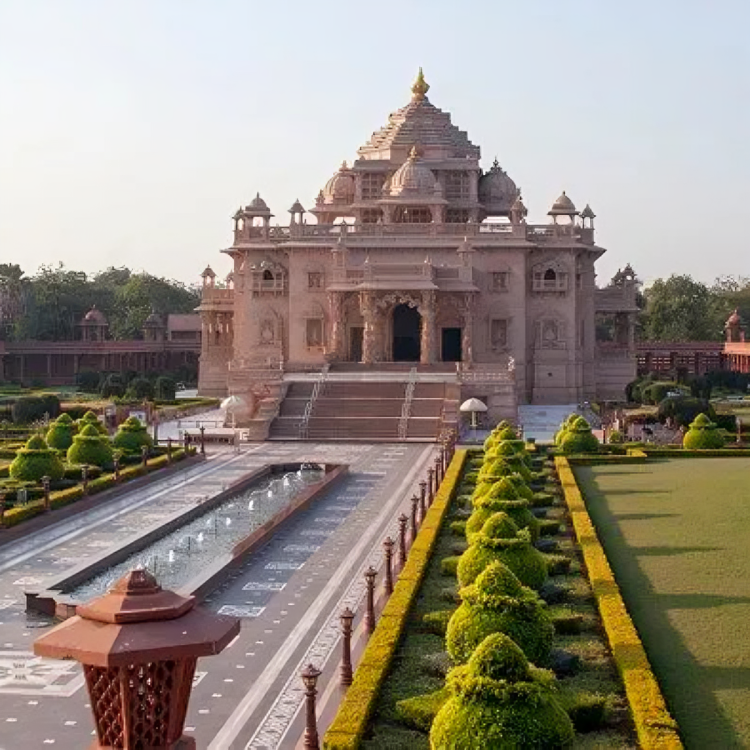

This large Hindu temple complex in Gandhinagar, Gujarat, was created by Pramukh Swami Maharaj of the BAPS denomination and built over 13 years as a tribute to Swaminarayan’s life and teachings. Its central temple, set in a 23-acre complex, is built from 6,000 metric tons of pink sandstone from Rajasthan.
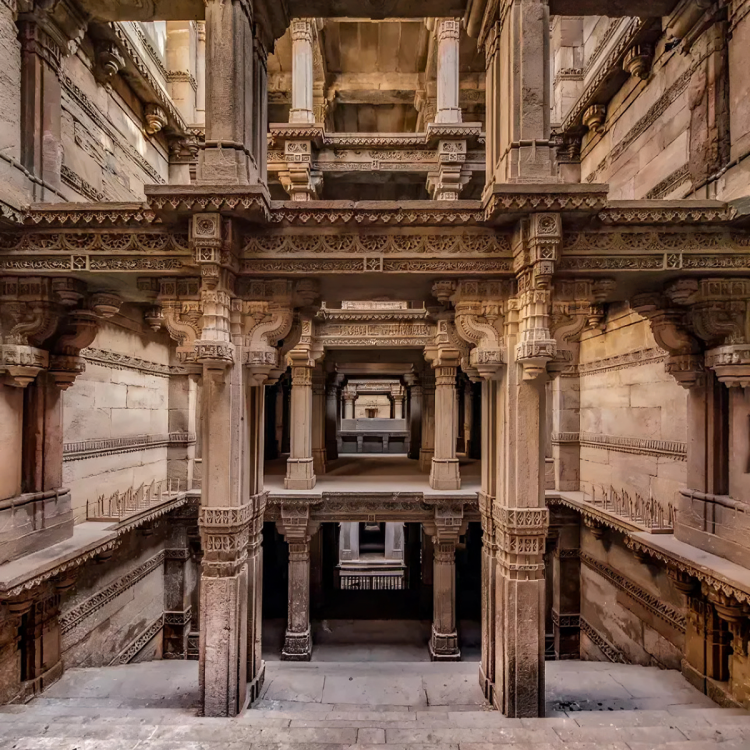
Also called Rudabai Stepwell, this sandstone stepwell in the town of Adalaj near Gandhinagar, Gujarat, was built in 1498 in memory of Rana Veer Singh of the Vaghela dynasty. Built in the Solanki architectural style, it is one of the most popular of the 120-plus stepwells reported in Gujarat’s semi-arid region and draws many tourists.
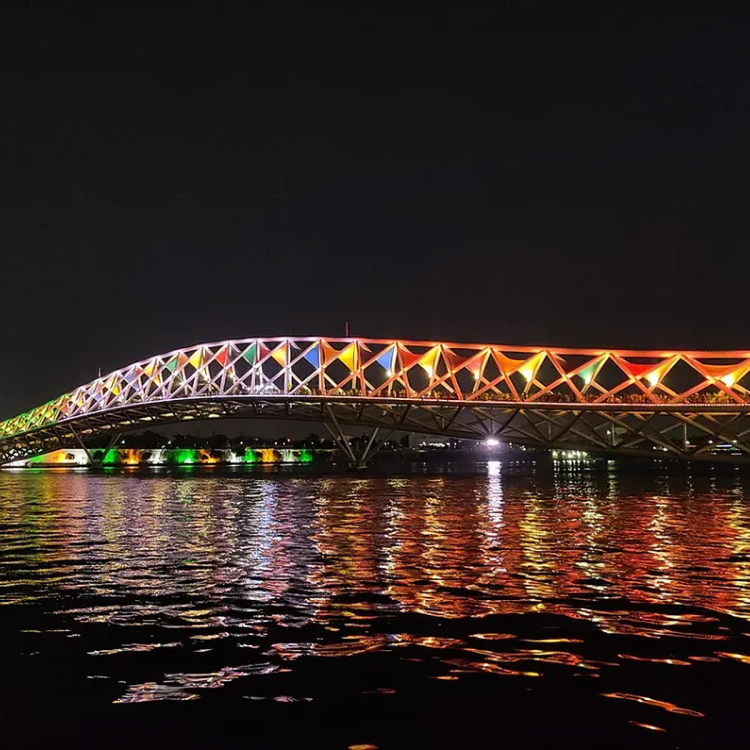
Named after former Prime Minister Atal Bihari Vajpayee, this kite-inspired steel truss footbridge spans the Sabarmati River at the Sabarmati Riverfront in Ahmedabad and was inaugurated in August 2022. It is 300 m long, 10 to 14 m wide, and shaded by colourful fabric panels, with 2,600 metric tonnes of steel pipes used in its construction.
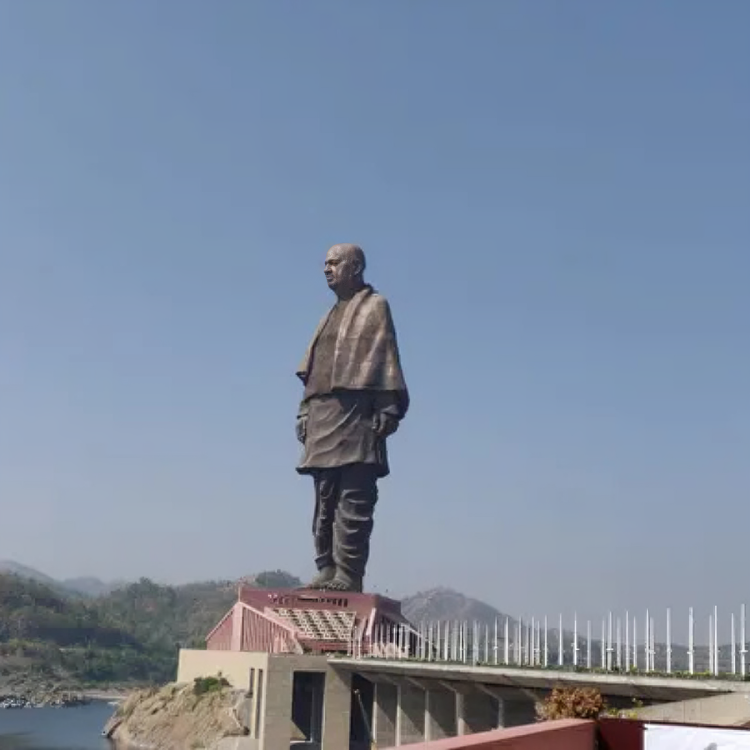
The world’s tallest statue at 182 m, this monument to Sardar Patel, independent India’s first deputy prime minister and home minister, stands near Kevadia in Gujarat, facing the Sardar Sarovar Dam on the Narmada River. Designed by sculptor Ram V. Sutar and built by Larsen & Toubro, it was inaugurated on 31 October 2018, on what would have been Patel’s 143rd birthday.
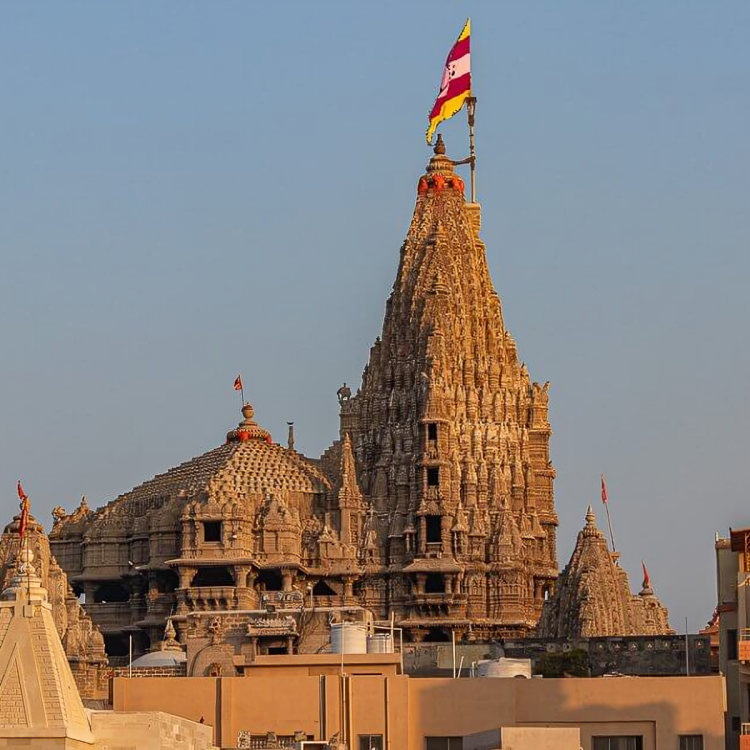
Also known as the Jagat Mandir, this Hindu temple dedicated to Krishna, worshipped here as “Lord of Dvārakā,” stands in Dwarka, Gujarat, and is one of the Char Dham pilgrimage destinations. Its five-storied main shrine is supported by 72 pillars, and while the original temple dates to 200 BCE at the earliest, the present structure was rebuilt and enlarged in the 15th-16th century.
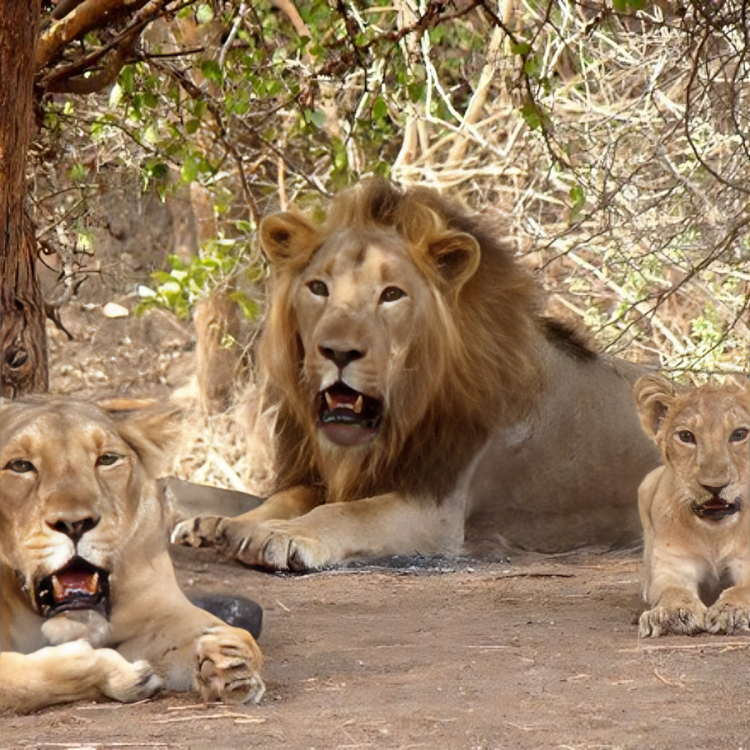
Also known as Sasan Gir, this national park and wildlife sanctuary in Gujarat was established in 1965 in the former private hunting area of the Nawab of Junagarh and covers 1,410 km². The 2015 census counted 523 Asiatic lions here, up 27% from 2010, and the park stays closed from 16 June to 15 October during the monsoon.
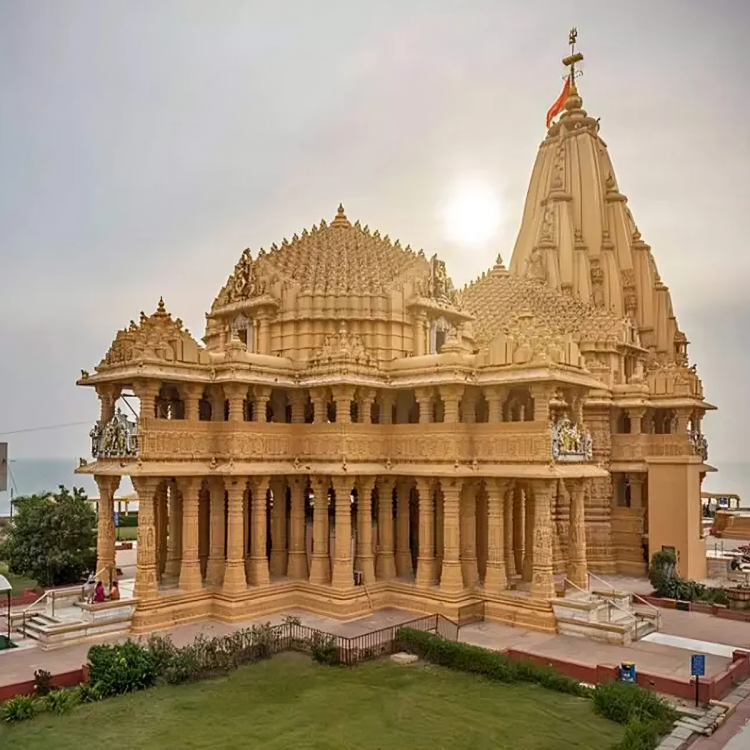
Located at Prabhas Patan in Veraval, Gujarat, this Hindu temple is the first of the twelve jyotirlinga shrines of Shiva and one of the most sacred pilgrimage sites for Hindus. Destroyed and rebuilt several times, starting with Mahmud Ghazni’s attack in 1026, the present temple was built in the Māru-Gurjara style on Vallabhbhai Patel’s orders and completed in May 1951.
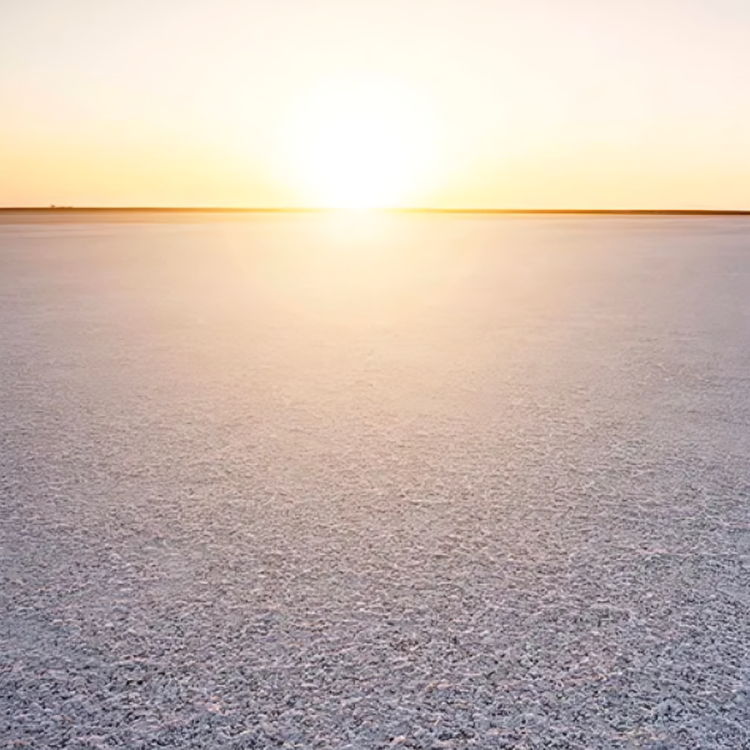
This large area of salt marshes in the northwestern Indian subcontinent spans the India-Pakistan border, with most of it in Gujarat’s Kutch district and a minor portion in Pakistan’s Sindh province. Divided into the Great Rann and Little Rann, it formed when tectonic uplift cut off a shallow arm of the Arabian Sea, and the receding seasonal waters left the salt marshes behind.
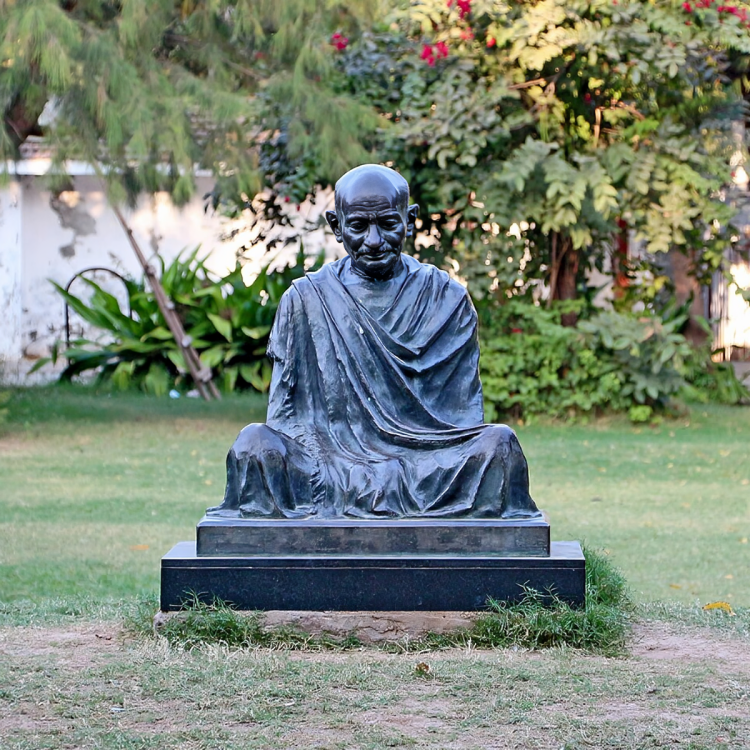
Located on the banks of the Sabarmati River in Ahmedabad, this was one of Mahatma Gandhi’s residences and the starting point of his Dandi March against the British Salt Law on 12 March 1930. Gandhi vowed not to return until India was independent, and the Indian government has since made the ashram a national monument.